


Plastic surgeon, Dr Des Fernandes, has dedicated his life to researching and treating skin aging. Over time, the skin becomes thinner and more wrinkled — for some people earlier, for others later. Time is relentless.
In addition to genetic factors, skin aging is also influenced by many external factors that we ourselves can affect. Healthy nutrition is one important factor. The Mediterranean diet is generally considered the standard of healthy eating, so on the Costa del Sol the situation should be quite good in this respect.
It is known that smoking has no positive health effects, and this also applies here: in people who smoke continuously, the skin may appear up to 10 years older than their actual age. Other forms of air pollution also accelerate skin aging.
As pleasant as tanning may be, the sun is undeniably the main cause of premature skin aging and wrinkles. Ultraviolet radiation penetrates the skin and causes cellular changes, thinning of the skin, and the formation of wrinkles. Aged skin is thin, its outermost layer (the horny layer, or stratum corneum) is thickened, and the renewal of collagen and elastin slows down.
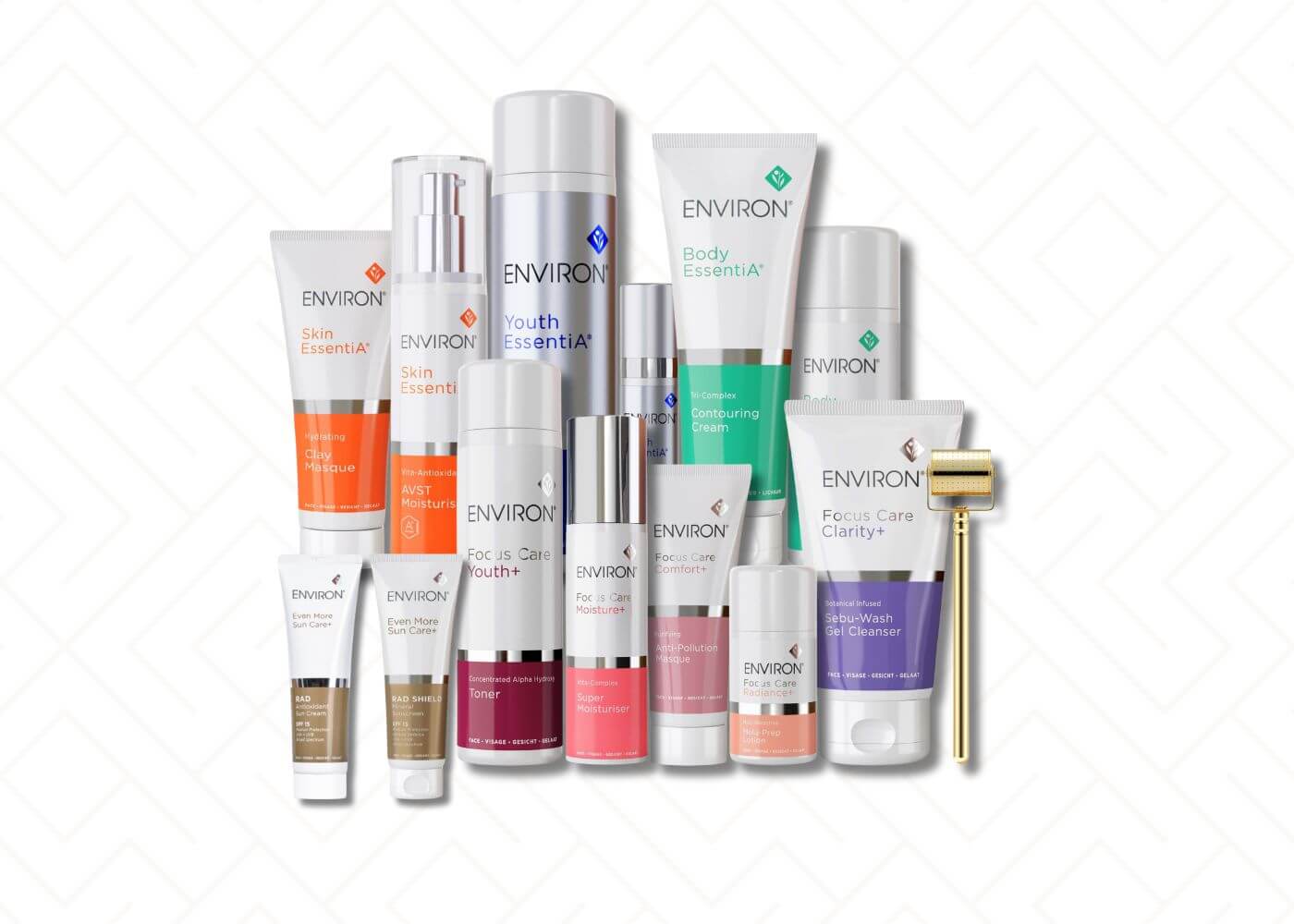
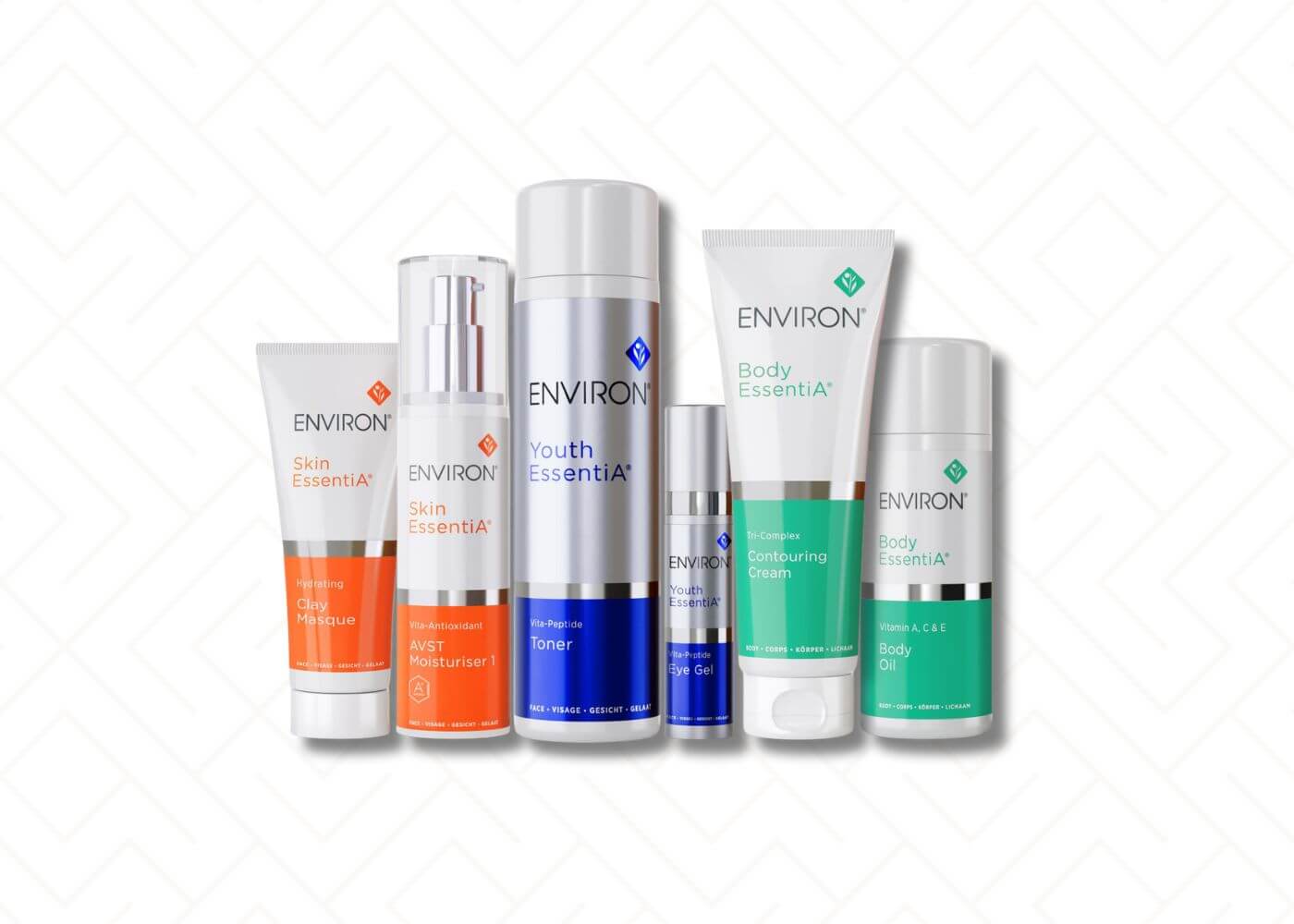
According to Dr Des, sunlight destroys the vitamin A that is essential for the skin. Constant exposure to the sun creates a chronic vitamin A deficiency in the skin, which manifests itself as skin aging. Naturally, vitamin A obtained from food also reaches the skin, but rather slowly, too late, and in insufficient quantities. All this can be corrected with an active daily vitamin A cream. Studies show that vitamin A thins the dead outer layer of the skin, increases cell division and the production of collagen and elastin, and may thicken the skin by 30–50% within a few months.
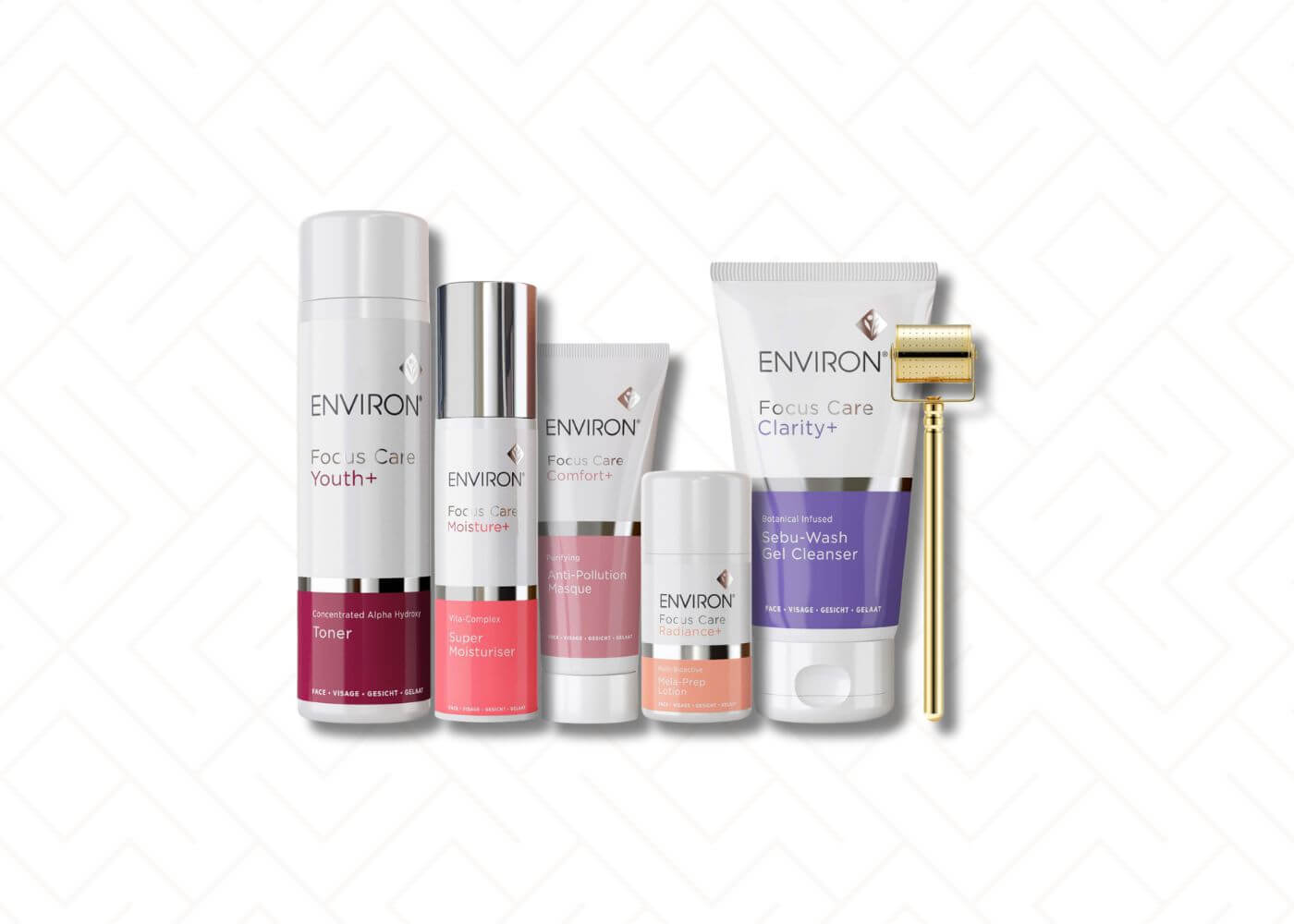
Vitamin A has several chemically different forms, some of which may irritate the skin, while others are better tolerated. Another challenge is absorption: as the skin becomes healthier, the absorption of creams may actually become more difficult, which is why different methods are needed to help active ingredients penetrate into the skin. A third issue is individual sensitivity to vitamin A. Some people are highly sensitive even to small amounts and develop redness and irritation (a vitamin A reaction), while others tolerate much larger doses.
The most important things when being in the sun are:
- Good physical protection. Whether it is a hat, a terrace, or shade.
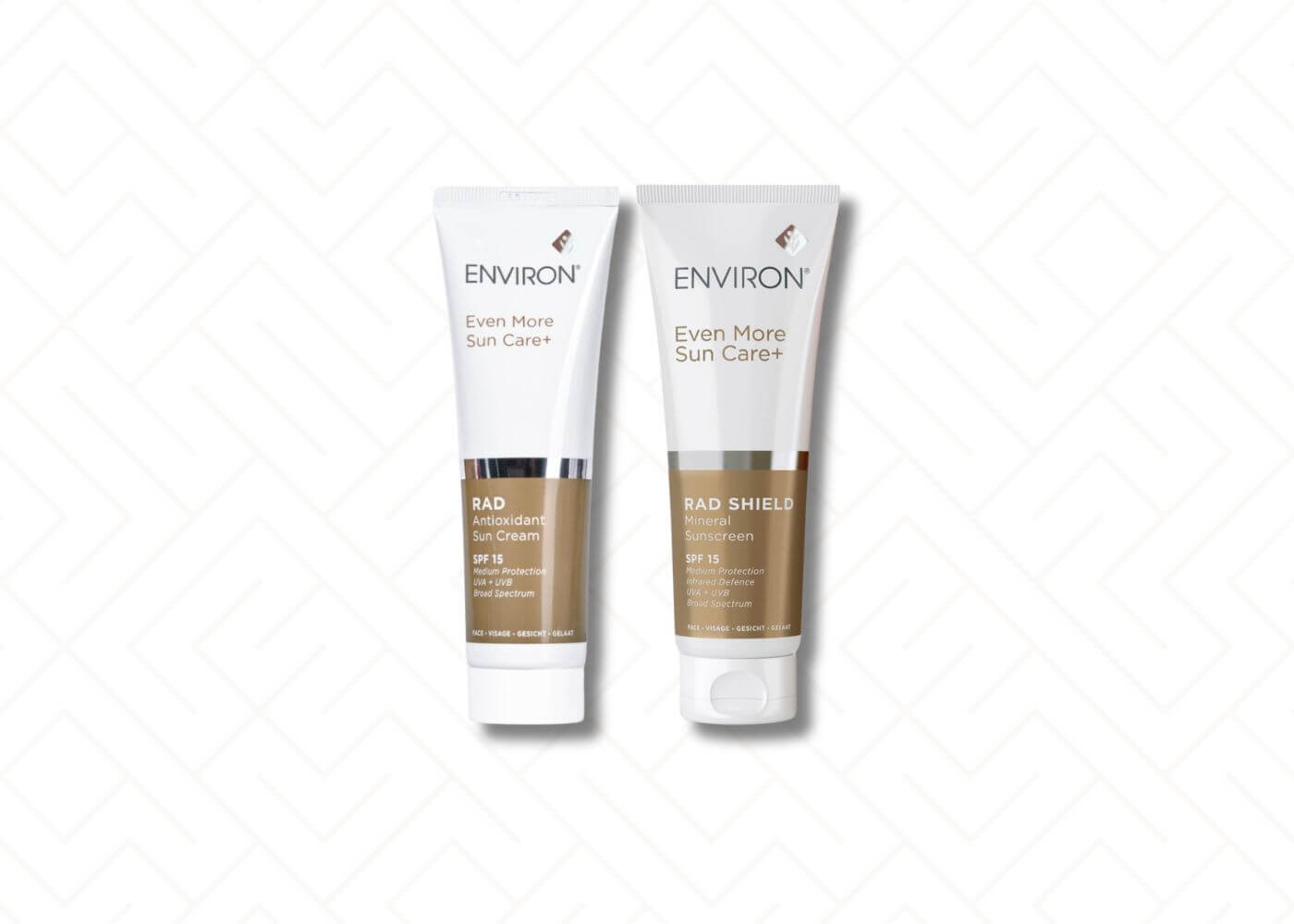
- A good sunscreen, while keeping in mind that even the strongest sunscreen cannot completely prevent sun damage.
- A daily vitamin A cream combined with a moisturizing cream.
— Asko Salmi
MD, PhD, plastic surgeon. Sairaala KL / Christinas Clinic.