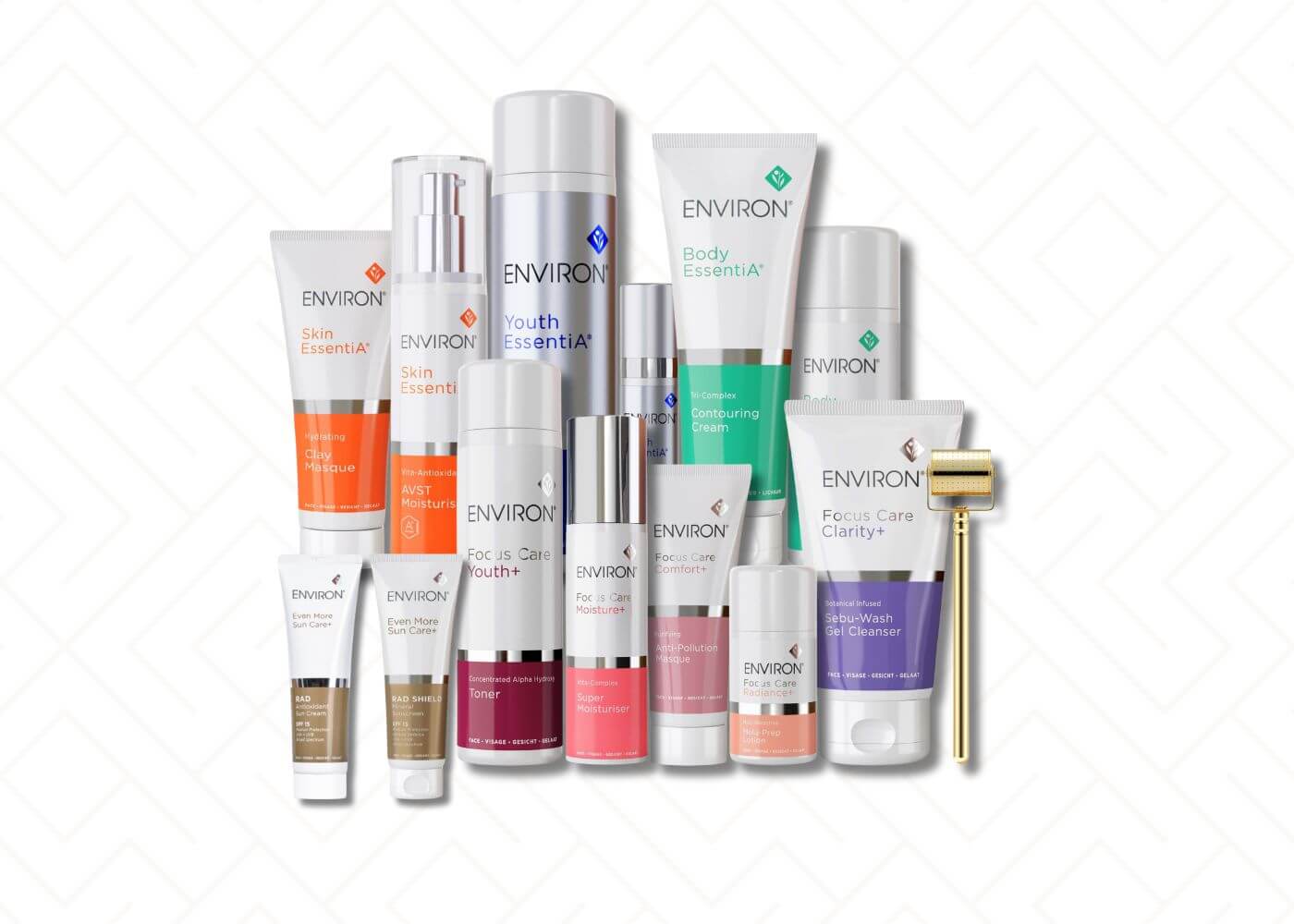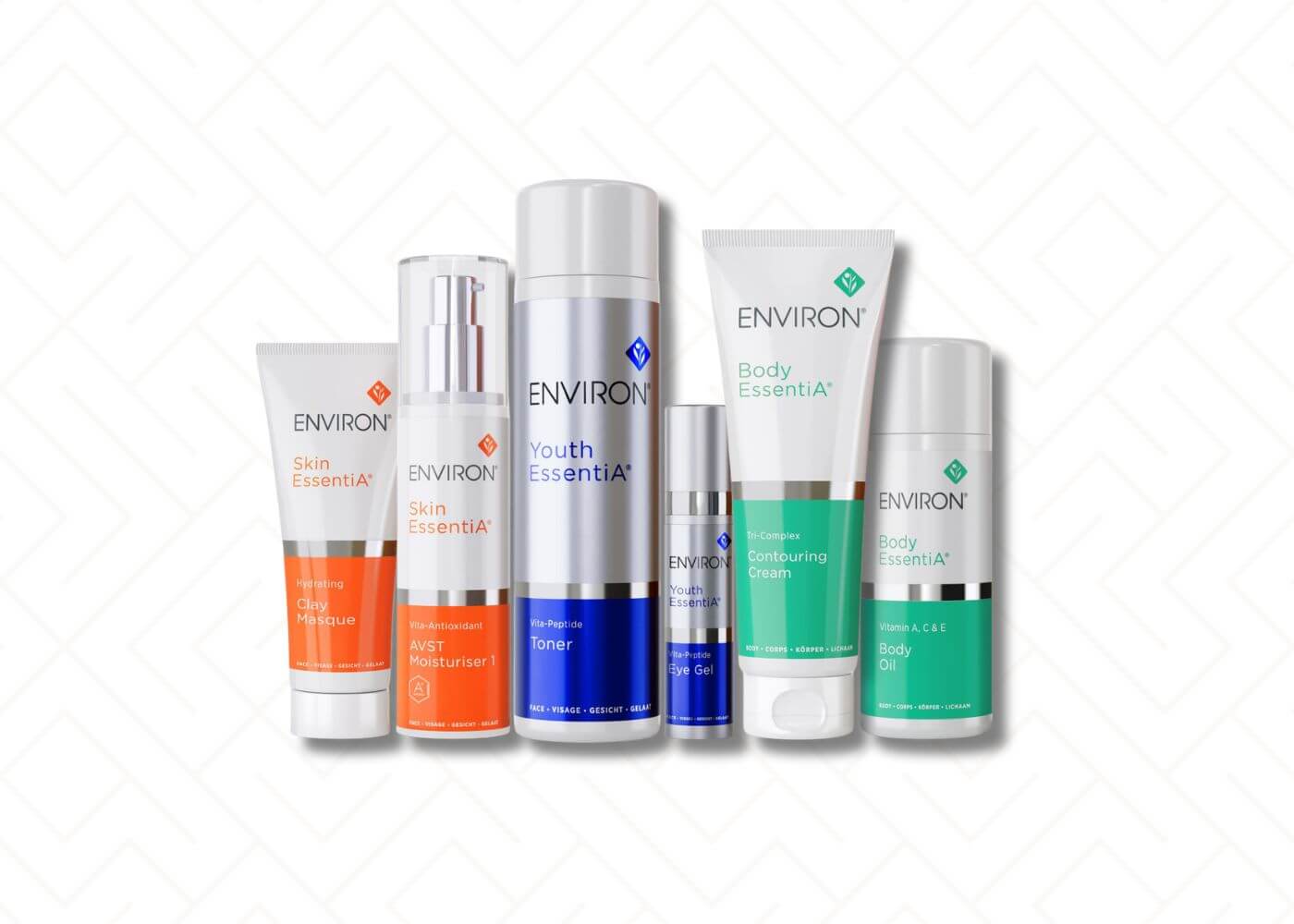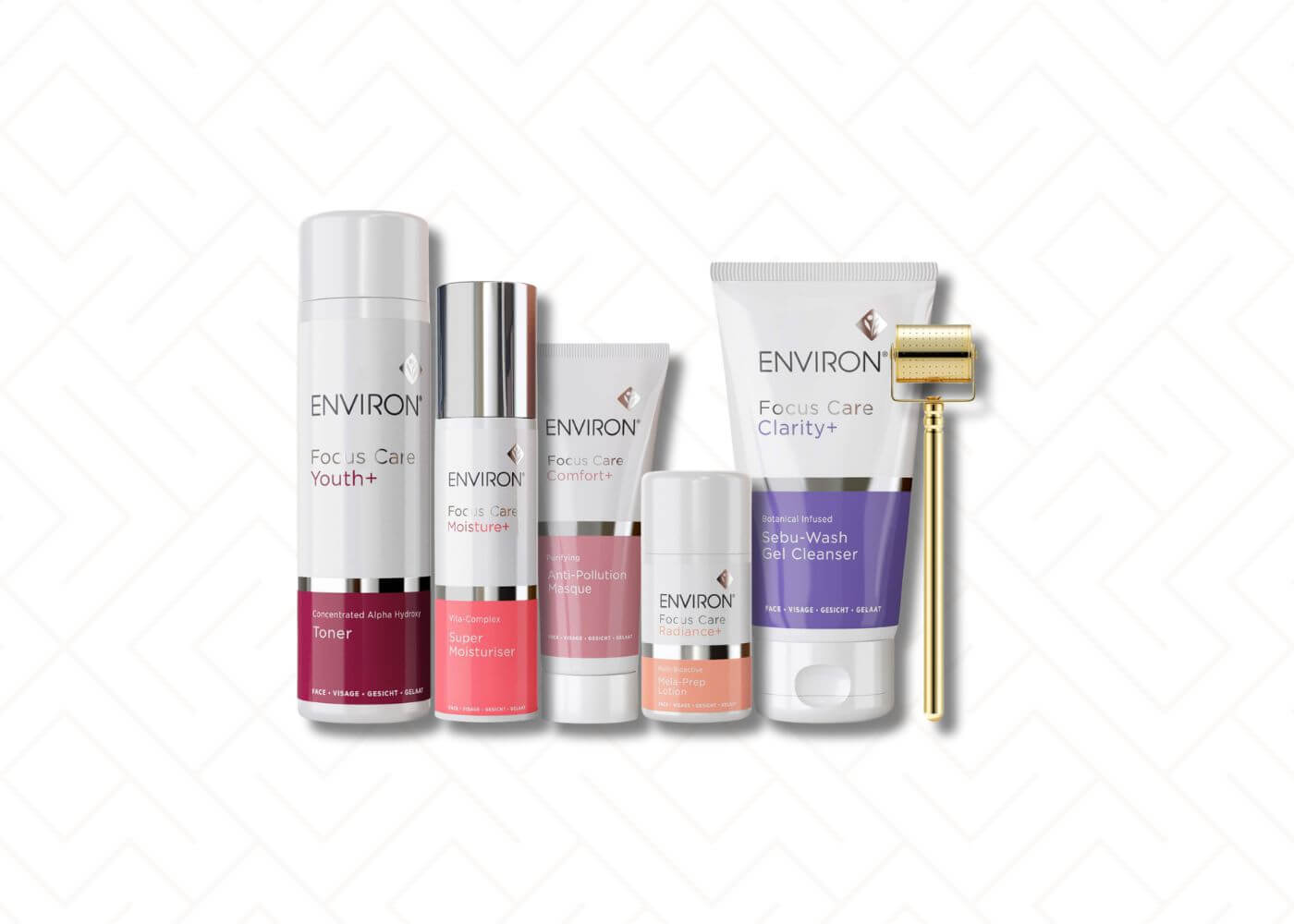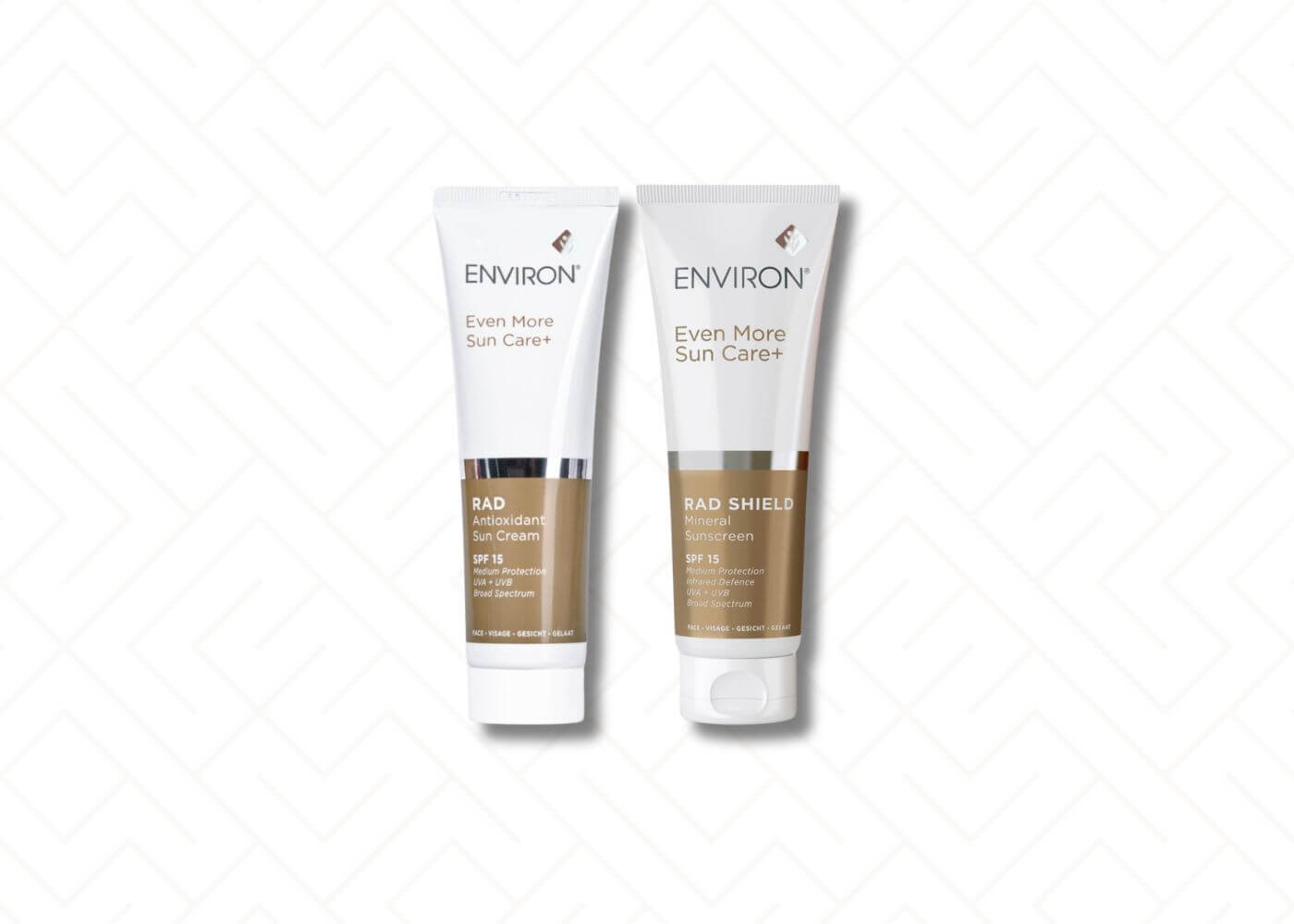


In 2024, the EU introduced new regulations (effective from November 1, 2025) limiting the concentration of certain forms of vitamin A in cosmetics, including retinol, retinyl palmitate, and retinyl acetate. Does this mean these ingredients are unsafe?
Absolutely not, says Minna Heikkilä, an experienced Finnish vitamin A expert. She explains why there is no need to worry and what the new rules actually mean.
What Do the New Limits Tell Us?
“These restrictions are an acknowledgment at the EU level that vitamin A, which has been studied and used in cosmetics for decades, truly works,” Heikkilä explains. “It proves that vitamin A in skincare can deliver real, visible changes to the skin — something not typical of standard moisturizers.”
Vitamin A’s main role is to normalize skin cell function, which is often disrupted by UV radiation, environmental pollution, and free radical activity that deplete the skin’s natural vitamin A stores.
Can You Get Too Much Vitamin A from Skincare?
“Research shows this is highly unlikely,” Heikkilä says. Here is why:
Topical vitamin A stays in the skin — it does not enter the bloodstream like dietary vitamin A.
Less than 6% of the vitamin A in a product actually penetrates the skin, since much of it degrades on contact with air and light.
Vitamin A used in skincare works faster than dietary vitamin A, which takes 5–7 days to reach the skin.
So, it is extremely rare for cosmetic and dietary vitamin A to combine in a way that exceeds the safe daily dose.
Is It Safe to Use High-Strength Vitamin A Products?
“Yes, it is,” assures Heikkilä. “Even in high concentrations. If your skin reacts, it is not an allergy — it is a temporary vitamin A reaction. This may appear as redness, itching, or bumps, and usually resolves in 1–2 weeks as your skin builds tolerance.”
Such reactions occur when the skin’s vitamin A receptors are inactive — often due to deficiency. With time and gradual exposure, these receptors reactivate, and the skin adjusts.
Does the Type of Vitamin A Matter?
“No, all cosmetic forms are safe,” Heikkilä states. “Eventually, all are stored in the skin as retinyl palmitate, a form naturally present in the skin.”
Gradual introduction is key to avoiding irritation. Importantly, vitamin A strengthens the skin over time — it does not make it more sensitive.
Fun fact: Retinyl palmitate even offers natural sun protection — about SPF 20. Only retinol, the alcohol form, reacts with sunlight and should be used at night to convert safely into retinyl palmitate.