
Skinstep Blog

Anti-Aging Care More Simply: Youth EssentiA®
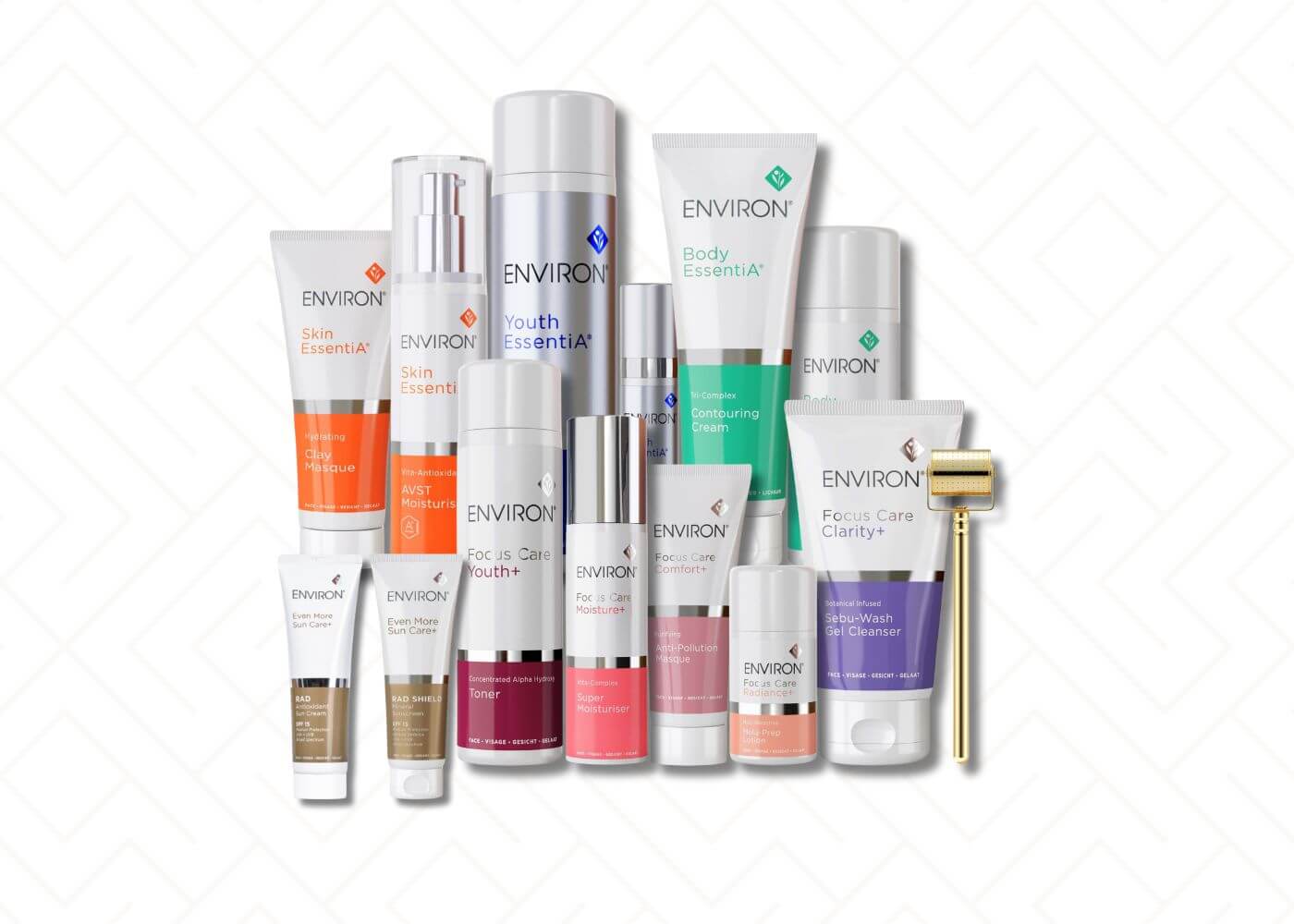
ENVIRON® Youth EssentiA® is a science-based, gradually strengthening vitamin A skincare range that helps make the skin smoother, firmer, and more radiant. It combines basic skincare with advanced treatments, delivering vitamins, antioxidants, and peptides to the skin gradually to reduce the risk of irritation. Key Benefits Supports cell renewal, skin firmness, and elasticity Improves skin texture, tone, and radiance Hydrates and strengthens the skin’s protective barrier A gradual system ensures long-term results without irritation Who It Is Suitable For People aged 30+ who want to prevent the first signs of aging Those who want to introduce potent active ingredients gradually Skin that needs hydration, firmness, or a more radiant appearance In summary: ENVIRON® Youth EssentiA® offers a structured, science-based approach to anti-aging skincare, helping keep the skin healthy, resilient, and youthful.
Read More
Foundation of Healthy Skin: Skin EssentiA®
Healthy skin starts with the right foundation. ENVIRON® Skin EssentiA® provides essential vitamins and antioxidants that help the skin function normally, protect itself, and renew. This range is ideal for beginners or sensitive skin and is the first step in Environ’s Vitamin STEP-UP SYSTEM™, gradually introducing active ingredients such as Vitamin A to reduce the risk of irritation. Key Benefits Supports skin renewal and normal cellular function Improves skin texture and radiance Strengthens the skin’s protective barrier Enhances the skin’s resistance to environmental stressors Why Choose Skin EssentiA® A gentle, nutrient-rich introduction to vitamin A–based skincare Suitable for all skin types and ages Creates a strong foundation before progressing to more advanced treatments How It Works The products include moisturizers, serums, and antioxidant-rich formulations, with the concentration of active ingredients increasing gradually. This helps achieve lasting results without overwhelming the skin. In summary: ENVIRON® Skin EssentiA® offers a science-based, gradual approach to the fundamentals of skincare, helping to keep the skin strong, healthy, and radiant.
Read More
Body Oil with Vitamins: Vitamin A, C & E Body Oil
Body skin care is an essential part of a daily beauty routine, helping to maintain the skin’s softness, elasticity, and even appearance. Lightweight body oils are valued for their ability to support skin hydration and improve the overall look of the skin without leaving a heavy feel. Carefully selected ingredients Modern body oils often contain a variety of active ingredients that support skin care and help maintain the skin’s balance. ENVIRON® Vitamin A, C & E Body Oil contains: Vitamin A Vitamin C Vitamin E Jojoba Oil These ingredients are selected to support the skin’s overall condition, help even out skin tone, and improve the skin’s texture. Lightweight texture and absorption Lightweight body oil formulations absorb quickly and are well-suited for daily use. With regular use, the product helps to: Support skin hydration Improve skin texture Make the skin appear smoother and more even In addition, antioxidant ingredients help protect the skin from environmental stressors. Recognition The product has received recognition both in Estonia and internationally: Buduaar Ilulemmik Beauty Awards 2026 — "Lightweight Face and Body Oil" — Winner in the category "Professional Salon Cosmetics". Skin Inc. Readers’ Choice Awards 2025 — Winner in the category "Best Body Product" & "Best Body Oil/Lotion". Usage Body oils are recommended for regular use to help maintain the skin in its best possible condition. Use morning and evening After a bath or shower, mix the oil with ENVIRON® Alpha Hydroxy Derma-Lac® Lotion Massage gently into slightly damp skin until absorbed
Read More
Oil Capsules: Vita-Antioxidant Hydrating Oil Capsules
Dehydrated skin requires targeted care to restore softness, elasticity, and balance. Concentrated oil capsules offer a convenient and effective way to deliver intensive hydration and protection against daily environmental stressors. Concentrated care in capsules Modern skincare formulations use capsule technology to help preserve the freshness and effectiveness of active ingredients until the moment of use. ENVIRON® Vita-Antioxidant Hydrating Oil Capsules contain: Antioxidants Nourishing oils Skin-supporting active ingredients These ingredients are selected to support skin hydration levels, help restore softness, and protect the skin from the effects of free radicals. Silky texture and gentle on the skin The lightweight, silky texture makes the oil capsules pleasant to use and helps the products absorb well into the skin. With regular use, the product helps to: Improve skin hydration Support the skin’s softness and elasticity Make the skin appear smoother and more refreshed The result is well-cared-for and balanced skin. Recognition The product has received recognition in the beauty industry: Buduaar Ilulemmik Beauty Awards 2026 — "Pampering Oil Capsules for Dry and Tired Skin" — Winner in the category "Professional Salon Cosmetics". Usage Oil capsules are recommended for evening use as part of a skincare routine. Moisturise the skin first with a vitamin A moisturiser Apply the contents of one capsule evenly to the skin Use the product regularly for best results
Read More
3 Vitamin A forms: Tri-Retinoid Complex Retinol Serum
Vitamin A is a widely used ingredient in skincare, valued for its ability to support normal skin function and improve the overall appearance of the skin. Different forms of vitamin A are used in cosmetic products to help achieve smoother and more even-looking skin. Combination of Different Retinoids Retinoids are derivatives of vitamin A that are used in skincare in various forms. Modern formulations often combine multiple retinoids to support skin care while maintaining the stability of the formulation. ENVIRON® Tri-Retinoid Complex Retinol Serum contains three forms of vitamin A: Retinol Retinyl palmitate Retinyl propionate These ingredients are selected to support an improved appearance of the skin and help make it look smoother and more even. Product Properties The serum is designed to refresh the appearance of the skin and support a more youthful look. With regular use, it helps to: Improve skin texture Even out skin tone Make the skin appear smoother and more radiant For products containing vitamin A, formulation stability is also important. Therefore, particular attention is given to both formulation and packaging to help maintain the quality of the ingredients throughout use. Recognition The product has received recognition both in Estonia and internationally: Anne & Stiil Ilulemmik Beauty Awards 2026 — Winner in the category “Anti-Aging Products” Universal Beauty Awards 2025 — Winner: “Best Retinol Anti-Ageing Product” Usage Products containing vitamin A should be introduced gradually, especially when using more advanced formulations. Start by using 2–3 times per week Initially mix a small amount of the serum with a moisturiser Increase frequency according to skin tolerance The serum is recommended for evening use and only if the skin is already accustomed to vitamin A.
Read More
Well-cared-for eye area: Vita-Peptide Eye Gel
The skin around the eyes is thinner and more delicate than the rest of the face, which is why it requires targeted care. The first signs of aging — such as fine lines, dryness, and loss of elasticity — often appear in this area. For this reason, the formulation and texture of products designed for the eye area are especially important. Carefully selected ingredients Modern eye gels combine different active ingredients to support hydration and the overall appearance of the skin. ENVIRON® Vita-Peptide Eye Gel contains: Vitamins Peptides Antioxidants Hydrating ingredients These ingredients are selected to support skin tone and elasticity, and to help improve the appearance of the eye area. Lightweight texture and absorption Texture is also an important factor when it comes to eye gels. Lighter formulations absorb quickly and are well suited for both morning and evening use. With regular use, the product helps to: Support skin hydration Improve overall skin tone Make the eye area appear smoother and more even The result is a fresher, more rested-looking eye area. Recognition The product has also received recognition in the beauty industry: Buduaar Ilulemmik Beauty Awards 2026 — “Smoothing and Hydrating Eye Gel” — Winner in the category “Professional Salon Cosmetics” Usage Eye care products are recommended for consistent use, both morning and evening. Pre-cleanse, cleanse, and tone the skin Apply a small amount of the gel gently to the entire eye area For best results, use the product regularly and follow the recommended storage instructions.
Read More
Vitamin A in Cosmetics: Popularity and Challenges
Vitamin A is one of the most researched and effective ingredients in skincare. Known for supporting skin renewal, improving texture and tone, and reducing signs of aging, it is a staple in cosmetic formulations — but using it effectively requires understanding its limitations. Why Vitamin A Is Popular in Skincare Vitamin A belongs to the retinoid family, compounds that regulate cell behavior and support skin renewal. As natural Vitamin A levels decline due to aging, UV exposure, and environmental pollution, topical Vitamin A helps: Promote cell renewal Smooth skin texture and enhance radiance Reduce fine lines and wrinkles Even out skin tone Strengthen skin resilience Decades of clinical research confirm these benefits, making Vitamin A a cornerstone of anti-aging and corrective skincare. Challenges of Vitamin A in Cosmetics Despite its power, Vitamin A is sensitive to light and air, which can reduce its potency. Key formulation challenges include: Light sensitivity: Retinoids degrade when exposed to UV Air exposure: Oxygen can oxidize the ingredient Variable effectiveness: Both the form used and the composition’s stability and concentration are important To preserve the effectiveness of Vitamin A, manufacturers often use airtight, light-proof packaging, like pump bottles or tubes, to help protect the ingredient until application.
Read More
The Role and Benefits of Vitamin A for the Skin
Vitamin A is not just another skincare ingredient — it is essential for healthy, resilient skin. Like oxygen and water, Vitamin A supports the skin’s normal function, structure, and long-term wellbeing. Over time, environmental factors like UV exposure, pollution, and lifestyle habits reduce Vitamin A levels, making topical supplementation crucial. Why Vitamin A Is Essential Vitamin A plays a key role in: Skin renewal — promotes shedding of old cells and generation of new ones Barrier function — strengthens the skin’s protective layer Cell communication — ensures proper cellular processes for healthy skin Without enough Vitamin A, skin may show fine lines, dullness, rough texture, uneven pigmentation, reduced elasticity, and breakouts. What to Expect When Using Vitamin A Some users experience a retinoid reaction at first, including redness, flaking, tingling, or small bumps. This is normal and signals that skin receptors are adjusting. To minimize irritation: Reduce application frequency Pair with gentle moisturizers Introduce the ingredient gradually Proven Benefits of Vitamin A Accelerates Cell Renewal — smoother, fresher skin Strengthens Skin Barrier — improved moisture retention and resilience Enhances Texture and Radiance — evens tone and softens fine lines Supports Collagen and Elasticity — firmer, youthful skin Boosts Immune Defence — protects against environmental stress Balances Oil and Cell Turnover — reduces breakouts and congestion
Read More
Should We Be Worried About Vitamin A in Cosmetics?
In 2024, the EU introduced new regulations (effective from November 1, 2025) limiting the concentration of certain forms of vitamin A in cosmetics, including retinol, retinyl palmitate, and retinyl acetate. Does this mean these ingredients are unsafe? Absolutely not, says Minna Heikkilä, an experienced Finnish vitamin A expert. She explains why there is no need to worry and what the new rules actually mean. What Do the New Limits Tell Us? “These restrictions are an acknowledgment at the EU level that vitamin A, which has been studied and used in cosmetics for decades, truly works,” Heikkilä explains. “It proves that vitamin A in skincare can deliver real, visible changes to the skin — something not typical of standard moisturizers.” Vitamin A’s main role is to normalize skin cell function, which is often disrupted by UV radiation, environmental pollution, and free radical activity that deplete the skin’s natural vitamin A stores. Can You Get Too Much Vitamin A from Skincare? “Research shows this is highly unlikely,” Heikkilä says. Here is why: Topical vitamin A stays in the skin — it does not enter the bloodstream like dietary vitamin A. Less than 6% of the vitamin A in a product actually penetrates the skin, since much of it degrades on contact with air and light. Vitamin A used in skincare works faster than dietary vitamin A, which takes 5–7 days to reach the skin. So, it is extremely rare for cosmetic and dietary vitamin A to combine in a way that exceeds the safe daily dose. Is It Safe to Use High-Strength Vitamin A Products? “Yes, it is,” assures Heikkilä. “Even in high concentrations. If your skin reacts, it is not an allergy — it is a temporary vitamin A reaction. This may appear as redness, itching, or bumps, and usually resolves in 1–2 weeks as your skin builds tolerance.” Such reactions occur when the skin’s vitamin A receptors are inactive — often due to deficiency. With time and gradual exposure, these receptors reactivate, and the skin adjusts. Does the Type of Vitamin A Matter? “No, all cosmetic forms are safe,” Heikkilä states. “Eventually, all are stored in the skin as retinyl palmitate, a form naturally present in the skin.” Gradual introduction is key to avoiding irritation. Importantly, vitamin A strengthens the skin over time — it does not make it more sensitive. Fun fact: Retinyl palmitate even offers natural sun protection — about SPF 20. Only retinol, the alcohol form, reacts with sunlight and should be used at night to convert safely into retinyl palmitate.
Read More