
Skinstep Blog


The Role and Benefits of Vitamin A for the Skin
Vitamin A is not just another skincare ingredient — it is essential for healthy, resilient skin. Like oxygen and water, Vitamin A supports the skin’s normal function, structure, and long-term wellbeing. Over time, environmental factors like UV exposure, pollution, and lifestyle habits reduce Vitamin A levels, making topical supplementation crucial. Why Vitamin A Is Essential Vitamin A plays a key role in: Skin renewal — promotes shedding of old cells and generation of new ones Barrier function — strengthens the skin’s protective layer Cell communication — ensures proper cellular processes for healthy skin Without enough Vitamin A, skin may show fine lines, dullness, rough texture, uneven pigmentation, reduced elasticity, and breakouts. What to Expect When Using Vitamin A Some users experience a retinoid reaction at first, including redness, flaking, tingling, or small bumps. This is normal and signals that skin receptors are adjusting. To minimize irritation: Reduce application frequency Pair with gentle moisturizers Introduce the ingredient gradually Proven Benefits of Vitamin A Accelerates Cell Renewal — smoother, fresher skin Strengthens Skin Barrier — improved moisture retention and resilience Enhances Texture and Radiance — evens tone and softens fine lines Supports Collagen and Elasticity — firmer, youthful skin Boosts Immune Defence — protects against environmental stress Balances Oil and Cell Turnover — reduces breakouts and congestion
Read More
Should We Be Worried About Vitamin A in Cosmetics?
In 2024, the EU introduced new regulations (effective from November 1, 2025) limiting the concentration of certain forms of vitamin A in cosmetics, including retinol, retinyl palmitate, and retinyl acetate. Does this mean these ingredients are unsafe? Absolutely not, says Minna Heikkilä, an experienced Finnish vitamin A expert. She explains why there is no need to worry and what the new rules actually mean. What Do the New Limits Tell Us? “These restrictions are an acknowledgment at the EU level that vitamin A, which has been studied and used in cosmetics for decades, truly works,” Heikkilä explains. “It proves that vitamin A in skincare can deliver real, visible changes to the skin — something not typical of standard moisturizers.” Vitamin A’s main role is to normalize skin cell function, which is often disrupted by UV radiation, environmental pollution, and free radical activity that deplete the skin’s natural vitamin A stores. Can You Get Too Much Vitamin A from Skincare? “Research shows this is highly unlikely,” Heikkilä says. Here is why: Topical vitamin A stays in the skin — it does not enter the bloodstream like dietary vitamin A. Less than 6% of the vitamin A in a product actually penetrates the skin, since much of it degrades on contact with air and light. Vitamin A used in skincare works faster than dietary vitamin A, which takes 5–7 days to reach the skin. So, it is extremely rare for cosmetic and dietary vitamin A to combine in a way that exceeds the safe daily dose. Is It Safe to Use High-Strength Vitamin A Products? “Yes, it is,” assures Heikkilä. “Even in high concentrations. If your skin reacts, it is not an allergy — it is a temporary vitamin A reaction. This may appear as redness, itching, or bumps, and usually resolves in 1–2 weeks as your skin builds tolerance.” Such reactions occur when the skin’s vitamin A receptors are inactive — often due to deficiency. With time and gradual exposure, these receptors reactivate, and the skin adjusts. Does the Type of Vitamin A Matter? “No, all cosmetic forms are safe,” Heikkilä states. “Eventually, all are stored in the skin as retinyl palmitate, a form naturally present in the skin.” Gradual introduction is key to avoiding irritation. Importantly, vitamin A strengthens the skin over time — it does not make it more sensitive. Fun fact: Retinyl palmitate even offers natural sun protection — about SPF 20. Only retinol, the alcohol form, reacts with sunlight and should be used at night to convert safely into retinyl palmitate.
Read More
Vitamin A Deficiency Shows in Your Skin
“Vitamin A deficiency is the most common deficiency in the world. Most people do not even realize they suffer from a chronic, localized lack of vitamin A. Because vitamin A is sensitive to light, it is depleted from our skin daily — leading to premature aging. We must replenish it continuously, every single day”. — Dr. Des Fernandes Vitamin A is as essential to the skin as oxygen and water are to the body. At birth, the skin has a natural balance of vitamin A, but this balance begins to deteriorate due to UV exposure, pollution, and modern lifestyle habits. Even the cleanest, most nutrient-rich diet today is not enough to meet the skin cells’ demand for vitamin A. As a result, nearly everyone lives with a chronic deficiency, causing the skin to age more rapidly than our actual years — and to develop other visible issues. The “Skin Vitamin” Your Cells Cannot Live Without While vitamin A has long been known as the skin vitamin, recent research has highlighted its deeper role: normalizing skin function and acting as an irreplaceable factor in the growth and maturation of healthy epithelial cells. Vitamin A is crucial for skin cell regulation. It influences both the nucleus and mitochondria of the cell, directly affecting DNA to ensure proper cell behavior. New scientific studies have now mapped the exact mechanisms by which DNA maintains normal skin cell function — with vitamin A playing a central role. The Sun Depletes Vitamin A — Fast As early as the 1930s, it was understood that sun-exposed skin ages faster than protected skin. In the 1950s, South African professor Cluver demonstrated that every time we go into the sun, vitamin A levels drop — not just in the skin, but in the body as well. By 1955, researchers discovered that treating aging skin with topical retinyl palmitate (vitamin A) could visibly rejuvenate it. Later, researcher Sigmund Berg found that oral vitamin A could even help heal those with severe sunburn. Why You Need Topical Vitamin A — Every Day Modern life exposes our skin to daily stressors that strip away vitamin A, and diet alone cannot restore it. That is why consistent, daily use of topical vitamin A is essential — not only for anti-aging but for maintaining healthy, resilient, and balanced skin at any age.
Read More
Vitamin A Skincare and Pregnancy — Is It Safe?
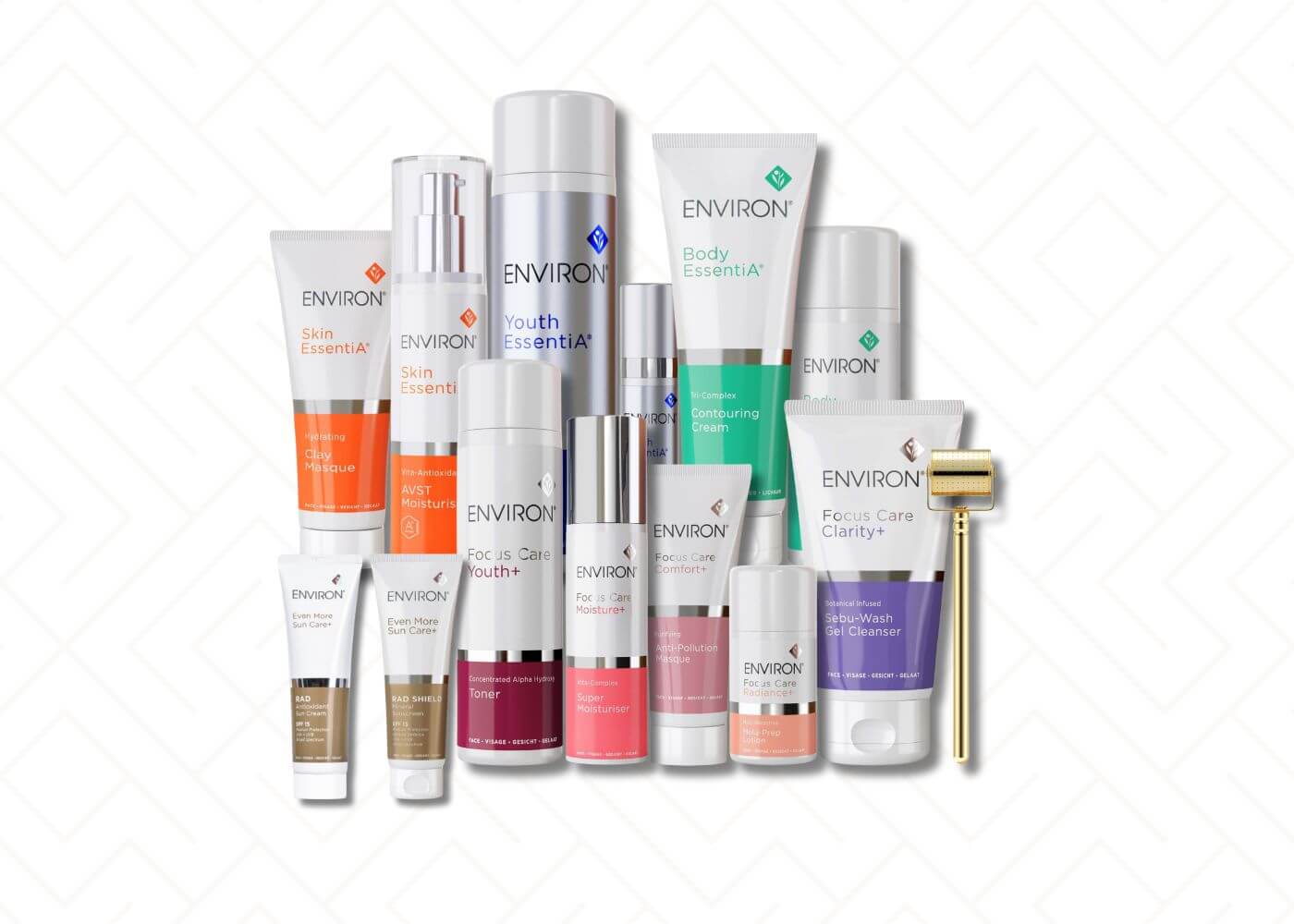
If you are pregnant or breastfeeding and wondering whether you can continue using vitamin A skincare, here are the evidence-based facts you should know: When applied to the skin, cosmetic vitamin A is stored in the skin, not transferred into the bloodstream. Humans lack the enzyme system that would transport stored vitamin A from the skin back into circulation. Even high concentrations of vitamin A in the skin do not pose a risk to liver function, fetal development, or maternal health. What Does This Mean for Skincare Use During Pregnancy? According to the professional skincare brand Environ, their vitamin A products are completely safe to use during pregnancy and breastfeeding. However, it is important to recognize that the skin can become more sensitive during pregnancy. For this reason, Environ recommends: Using products with a lower vitamin A level in the first trimester if the skin becomes reactive. From the fourth month onward, applying ENVIRON® Vitamin A, C & E Body Oil to the belly area to help prevent stretch marks and support skin elasticity.
Read More